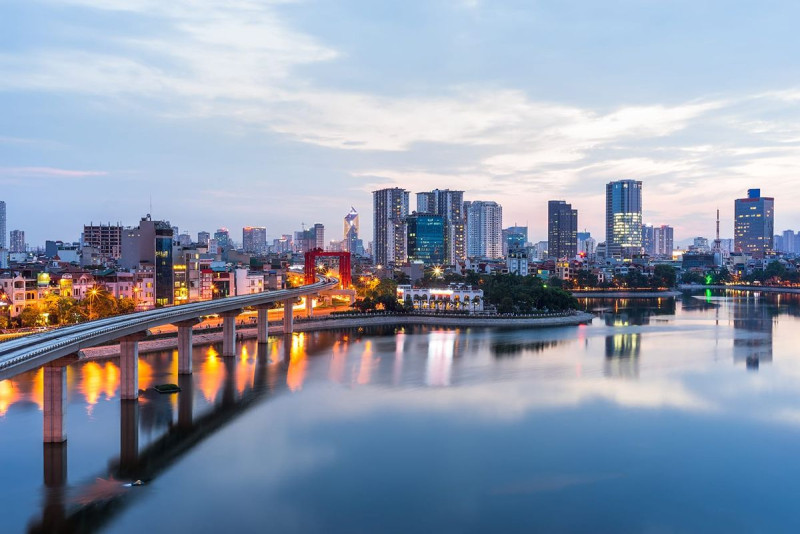
Hanoi (/hæˈnɔɪ/ han-OY; Vietnamese: Hà Nội [hàː nôjˀ] ⓘ) is the capital and second-most populous city of Vietnam. It encompasses an area of 3,358.6 km2 (1,296.8 mi2),[14] and as of 2025 has a population of 8,807,523.[8] It had the second-highest gross regional domestic product of all Vietnamese provinces and municipalities at US$48 billion in 2023,[15] behind Ho Chi Minh City.[16]
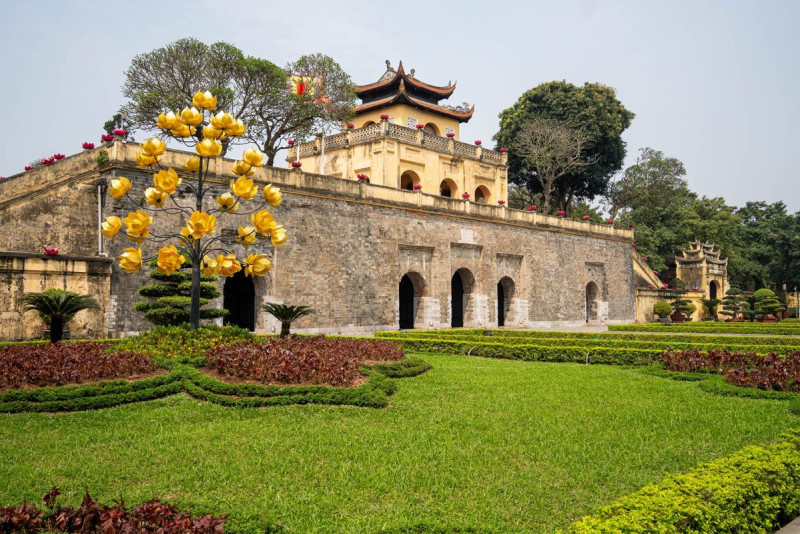
In the third century BCE, the Cổ Loa Capital Citadel of Âu Lạc was constructed in what later was Hanoi. In 1010, under the Lý dynasty, Vietnamese king Lý Thái Tổ established the capital of the imperial Vietnamese nation Đại Việt in what later was central Hanoi, naming the city Thăng Long [tʰɐŋ loŋ], 'ascending dragon'). In 1428, King Lê Lợi renamed the city to Đông Kinh [ɗoŋ kīŋ̟], 'eastern capital'), and it remained so until 1789. The Nguyễn dynasty in 1802 moved the national capital to Huế and the city was renamed Hanoi in 1831. It served as the capital of French Indochina from 1902 to 1945 and French protectorate of Tonkin from 1883 to 1949. After the August Revolution and the fall of the Nguyễn dynasty, the Democratic Republic of Vietnam (DRV) designated Hanoi as the capital of the newly independent country. From 1949 to 1954, it was part of the State of Vietnam. It was again part of the DRV ruling North Vietnam from 1954 to 1976. In 1976, it became the capital of the unified Socialist Republic of Vietnam. In 2008, Hà Tây Province and two other rural districts were annexed into Hanoi, almost tripling Hanoi's area.
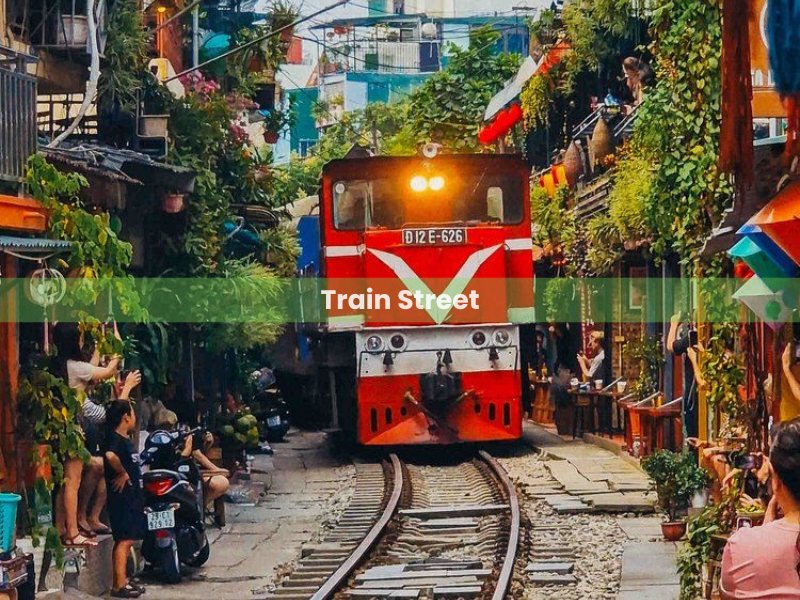
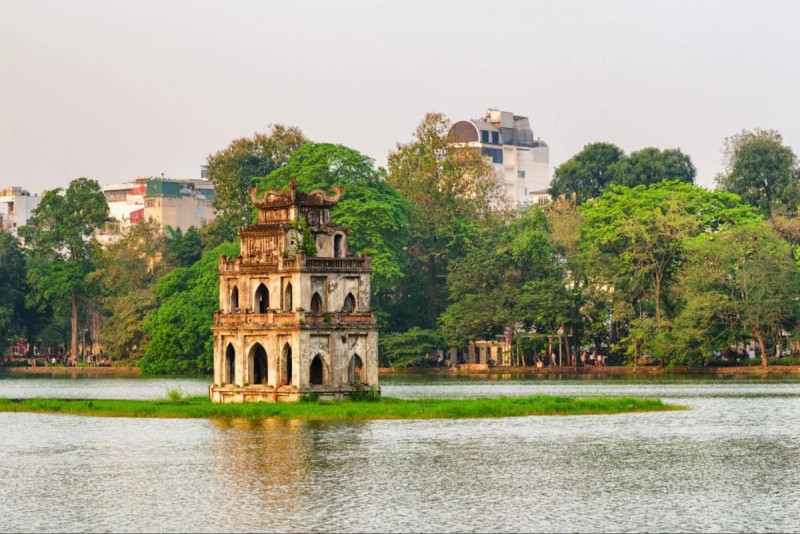
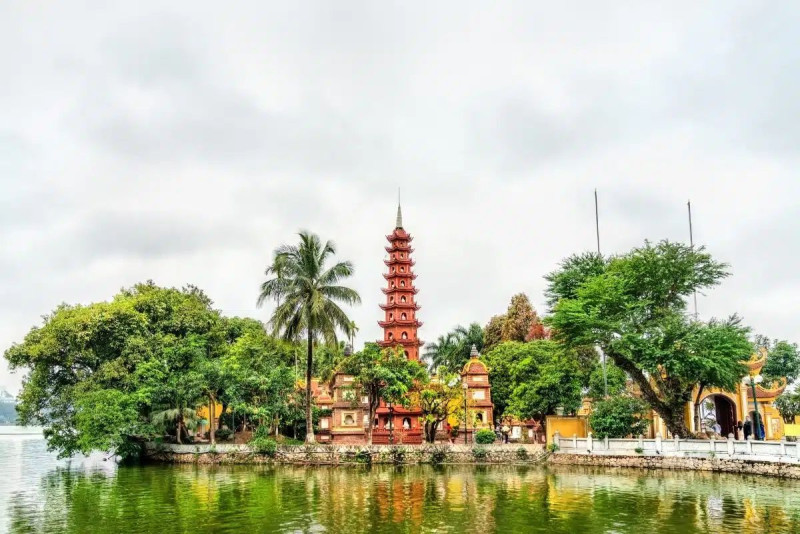
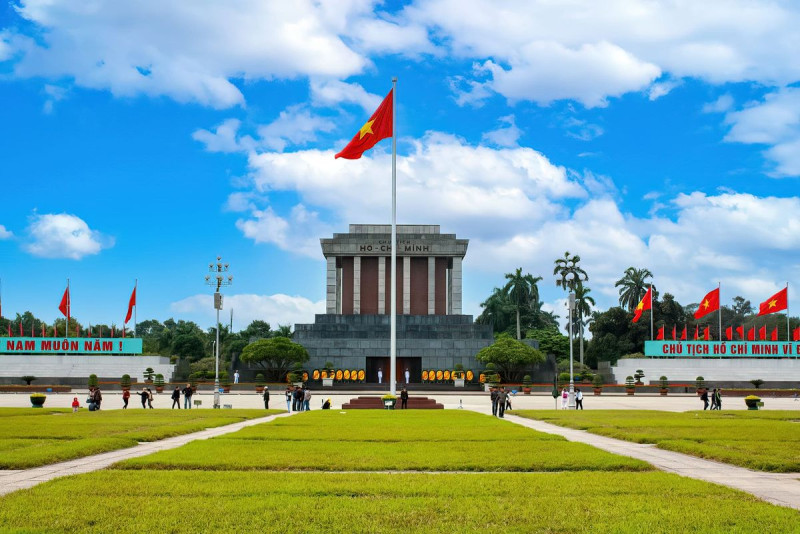
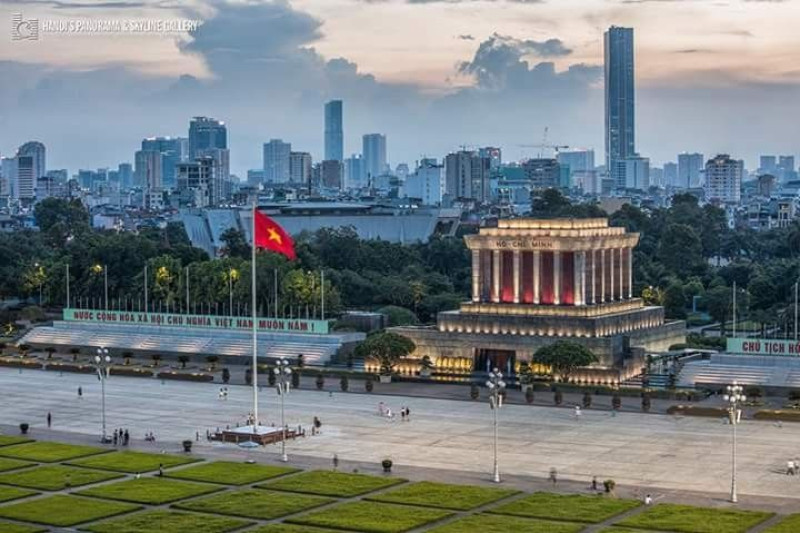
Hanoi is the cultural, economic and educational center of Northern Vietnam. As the country's capital, it hosts 78 foreign embassies, the headquarters of the Vietnam People's Army (VPA), its own Vietnam National University system, and other governmental organizations. It has 18.7 million domestic and international visitors in 2022.[17] It hosts the Imperial Citadel of Thăng Long, Ho Chi Minh Mausoleum, Hoàn Kiếm Lake, West Lake, and Ba Vì National Park near the outskirts of the municipality. Its urban area has a range of architectural styles, including French colonial architecture, brutalist apartments and disorganized alleys and tube houses stemming from the city's growth in the 20th century.
Unforgettable Adventures, Trusted by Travelers. Book at the Best Price!